

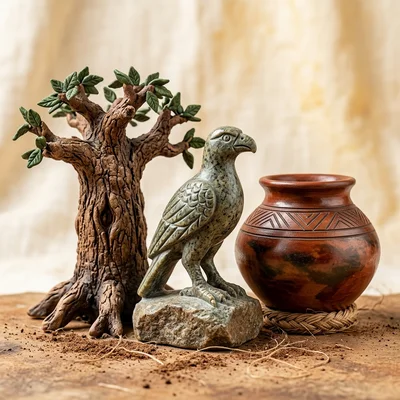
Learn Shona
Matauriro eMazuva Ose · Situational Shona Conversations

Everyday Conversations (Hurukuro)

Practice authentic Shona dialogues for real-world moments: arriving at the rural homestead (Kumusha), buying produce at the market (paMusika), sharing clan totems, asking directions, and table manners!

💬 16 Interactive Scenarios 🏡 Home & Kumusha 🧺 Market Bargaining 🚌 Directions & Health 🔊 Line-by-Line Spoken Audio
🏡

Kusvika Kumusha kwaGogo naSekuru

Arriving at the Rural Homestead (Kumusha)
🏡 Pamusha neMhuri 💬 5 lines Tap to open dialogue

📍 Setting: Visitors arrive at the entrance of Gogo and Sekuru's rural courtyard and announce their presence respectfully.

💡 Tsika Tip: Never walk silently into a homestead kitchen. Call out "Tisvikewo!" or "Gogogoi!" from outside, remove hats, and wait to be invited in ("Svikai henyu!") before sitting and exchanging formal clapped greetings.
Muenzi (Visitor)
"Gogogoi! Tisvikewo pamusha pano!"
Knock, knock! May we approach this homestead!
🗣️ goh-goh-GOH-ee! tee-SVEE-keh-woh pah-MOO-shah PAH-noh!
Gogo (Grandmother)
"Svikai henyu! Pindai mumba mavaenzi, garai parukukwe."
Please come right in! Enter the house, honored guests, and sit upon the reed mat.
🗣️ svee-KAH-ee HEH-nyoo! pee-NDAH-ee MOO-mbah mah-vah-EH-nzee, gah-RAH-ee pah-roo-KOO-kweh.
Muenzi (Visitor)
"Tisvikewo Gogo. Makadii henyu masikati ano?"
Thank you for welcoming us, Grandmother. How are you this afternoon?
🗣️ tee-SVEE-keh-woh GOH-goh. mah-kah-DEE-ee HEH-nyoo mah-see-KAH-tee AH-noh?
Gogo (Grandmother)
"Tiripo hedu kana makadiiwo. Mafamba sei nerwendo?"
We are well if you are well too. How did you travel on your journey?
🗣️ tee-REE-poh HEH-doo KAH-nah mah-kah-DEE-ee-woh. mah-FAH-mbah SEH-ee neh-RWEH-ndoh?
Muenzi (Visitor)
"Tafamba zvakanaka kwazvo Gogo, tinotenda. Nayi mvura yamaheu anotonhorera!"
We traveled very well, Grandmother, thank you. How refreshing this gourd of cool maheu is!
🗣️ tah-FAH-mbah zvah-kah-NAH-kah KWAH-zvoh GOH-goh, tee-noh-TEH-ndah.
Key Phrases in this Dialogue (tap to hear):
🍲

Panguva yeKudya: Kugeza Maoko neKutenda

At the Meal Table: Washing Hands & Giving Thanks
🏡 Pamusha neMhuri 💬 5 lines Tap to open dialogue

📍 Setting: Amai serves hot sadza and relish. The youngest child brings the water basin (chirongo/dish) for everyone to wash hands from eldest to youngest.

💡 Tsika Tip: Handwashing water is offered to elders first. After eating, clap your hands and thank the cook using their clan praise title (Mutupo/Chidao).
Amai (Mother)
"Chikafu chaibva! Tendai, unza mvura inodziya vabereki vageze maoko."
The food is ready! Tendai, bring warm water so the elders may wash their hands.
🗣️ chee-KAH-foo chah-EE-bvah! teh-NDAH-ee, OO-nzah MVEE-rah ee-noh-DZEE-yah vah-beh-REH-kee vah-GEH-zeh mah-OH-koh.
Tendai (Child)
"Pamusoroi Baba, geza maoko nemvura iyi."
Excuse me Father, please wash your hands with this water.
🗣️ pah-moo-soh-ROH-ee BAH-bah, GEH-zah mah-OH-koh neh-MVEE-rah EE-yee.
Baba (Father)
"Waita basa mwanangu. Amai, sadza rezviyo nemuriwo unedovi zvinonaka chose!"
Thank you for your service, my child. Mother, this millet sadza and peanut-butter greens are truly delicious!
🗣️ wah-EE-tah BAH-sah mwah-NAH-ngoo. ah-MAH-ee, SAH-dzah reh-ZVEE-yoh neh-moo-REE-woh oo-neh-DOH-vee zvee-noh-NAH-kah CHOH-seh!
Tendai (Child)
"Maita basa Amai, maita VaChihera! Ndaguta kwazvo."
Thank you for the meal, Mother, thank you VaChihera! I am completely full.
🗣️ mah-EE-tah BAH-sah ah-MAH-ee, mah-EE-tah vah-chee-HEH-rah! ndah-GOO-tah KWAH-zvoh.
Amai (Mother)
"Muchitenda hako mwanangu.Chitakura ndiro uise mukicheni."
You are most welcome, my child. Now please clear the plates to the kitchen.
🗣️ moo-chee-TEH-ndah HAH-koh mwah-NAH-ngoo. chee-tah-KOO-rah NDEE-roh oo-EE-seh moo-kee-CHEH-nee.
Key Phrases in this Dialogue (tap to hear):
🦁

Kuzivana neKubvunzana Mutupo

First Introductions & Sharing Clan Totems
🏡 Pamusha neMhuri 💬 5 lines Tap to open dialogue

📍 Setting: Two people meet for the first time at a community gathering and discover how their clan totems connect them as family.

💡 Tsika Tip: In Shona society, discovering someone's Mutupo immediately establishes kinship (Hukama)—for example, two people of the same totem are brothers/sisters, or an in-law totem makes one Mukuwasha or Ambuya.
Tinashe
"Masikati shamwari! Zita rangu ndinonzi Tinashe. Iwe unonzi ani?"
Good afternoon friend! My name is Tinashe. What is your name?
🗣️ mah-see-KAH-tee shah-MWAH-ree! ZEE-tah RAH-ngoo ndee-NOH-nzee tee-NAH-sheh.
Rudo
"Masikati Tinashe! Ini ndinonzi Rudo, ndinobva kwaMutare."
Good afternoon Tinashe! I am called Rudo, and I come from Mutare.
🗣️ mah-see-KAH-tee tee-NAH-sheh! EE-nee ndee-NOH-nzee ROO-doh, ndee-NOH-bvah kwah-moo-TAH-reh.
Tinashe
"Ndinofara kukuziva Rudo. Ko unoera mutupoiko?"
I am pleased to know you, Rudo. Tell me, what is your clan totem?
🗣️ ndee-noh-FAH-rah koo-koo-ZEE-vah ROO-doh. koh oo-noh-EH-rah moo-too-poh-EE-koh?
Rudo
"Ndinoera Shumba Nyamuzihwa, ndiri MaMoyo! Ko iwe unoerei?"
My totem is Shumba Nyamuzihwa, the Lioness clan! And what is your totem?
🗣️ ndee-noh-EH-rah SHOO-mbah nyah-moo-ZEE-hwah, ndee-ree mah-MOH-yoh! koh EE-weh oo-noh-eh-REH-ee?
Tinashe
"Haa, ini ndiri Soko Mukanya! Mai vangu ndivo Shumba, saka uri Amai vangu vadiki!"
Aha, I am Soko Mukanya! My mother is of the Shumba clan, which makes you my maternal aunt (Mainini)!
🗣️ EE-nee ndee-ree SOH-koh moo-KAH-nyah! MAH-ee VAH-ngoo NDEE-voh SHOO-mbah!
Key Phrases in this Dialogue (tap to hear):
🧺

Kutenga Michero neMuriwo paMusika

Buying Fresh Produce at the Market (Musika)
🧺 Kutenga neKufamba 💬 4 lines Tap to open dialogue

📍 Setting: A shopper visits a bustling open-air farm stall to buy tomatoes, leafy greens, and sweet potatoes, receiving a generous "mbasera" (bonus gift).

💡 Tsika Tip: At Zimbabwean markets, vendors often add a small extra handful called "mbasera" on top of your purchase as a token of goodwill and appreciation.
Mutengi (Buyer)
"Mangwanani Amai! Muriwo wenyu wakasvibira mhani, murikutengesa marii?"
Good morning Mother! Your greens look so fresh and vibrant, how much are you selling them for?
🗣️ mah-ngwah-NAH-nee ah-MAH-ee! moo-REE-woh WEH-nyoo wah-kah-svee-BEE-rah MHAH-nee, moo-ree-koo-teh-NGEH-sah mah-REE-ee?
Mutengesi (Vendor)
"Mangwanani mwanangu! Chisungo chemuriwo idhora rimwe chete, matomatisi maviri padhora."
Good morning my child! A big bundle of greens is one dollar, and two heaps of tomatoes are a dollar.
🗣️ mah-ngwah-NAH-nee mwah-NAH-ngoo! chee-SOO-ngoh cheh-moo-REE-woh ee-DHOH-rah REE-mweh CHEH-teh.
Mutengi (Buyer)
"Ndipeiwo zvisungo zviviri zvemuriwo nechikwama chembambaira. Mbasera iripowo here?"
Please give me two bundles of greens and a bag of sweet potatoes. Is there a little bonus (mbasera) too?
🗣️ ndee-peh-EE-woh zvee-SOO-ngoh zvee-VEE-ree zveh-moo-REE-woh neh-chee-KWAH-mah cheh-mbah-mbah-EE-rah.
Mutengesi (Vendor)
"Zvakanaka! Ndakuvigira matomatisi matatu pamusoro sembasera yako. Ndatenda nekutenga!"
Wonderful! I have added three ripe tomatoes on top as your bonus gift. Thank you for your support!
🗣️ zvah-kah-NAH-kah! ndah-koo-vee-GEE-rah mah-toh-mah-TEE-see mah-TAH-too pah-moo-SOH-roh seh-mbah-SEH-rah YAH-koh.
Key Phrases in this Dialogue (tap to hear):
🚌

Kubvunza Nzira neKufamba

Asking for Directions & Public Transport
🧺 Kutenga neKufamba 💬 4 lines Tap to open dialogue

📍 Setting: A traveler asks an elder for directions to the bus terminus and the rural clinic.

💡 Tsika Tip: Always begin a request to a stranger with "Pamusoroi" (Excuse me / Pardon me) and a brief greeting before asking your question.
Mufambi (Traveler)
"Pamusoroi Sekuru, masikati! Ndingabvunzewo nzira inoenda kuchipatara?"
Excuse me Grandfather, good afternoon! May I kindly ask the way to the clinic?
🗣️ pah-moo-soh-ROH-ee seh-KOO-roo, mah-see-KAH-tee! ndee-ngah-BVOO-nzeh-woh NZEE-rah ee-noh-EH-ndah koo-chee-pah-TAH-rah?
Sekuru (Elder)
"Masikati muzukuru. Tevera mugwagwa mukuru uyu kusvika pamuti wemuhacha."
Good afternoon grandchild. Follow this main road straight ahead until you reach the large muhacha tree.
🗣️ mah-see-KAH-tee moo-zoo-KOO-roo. teh-VEH-rah moo-GWAH-gwah moo-KOO-roo OO-yoo koo-SVEE-kah pah-MOO-tee weh-moo-HAH-chah.
Mufambi (Traveler)
"Ndikasvika pamuhacha ndotsaukira kuruboshwe here kana kurudyi?"
When I reach the muhacha tree, do I turn to the left or to the right?
🗣️ ndee-kah-SVEE-kah pah-moo-HAH-chah ndoh-tsah-oo-KEE-rah koo-roo-BOH-shweh HEH-reh KAH-nah koo-ROO-dyee?
Sekuru (Elder)
"Tsaukira kurudyi, uchaona chivakwa chichena pedyo nechikoro. Famba zvakanaka!"
Turn to the right, and you will see a white building next to the school. Travel safely!
🗣️ tsah-oo-KEE-rah koo-ROO-dyee, oo-chah-OH-nah chee-VAH-kwah chee-CHEH-nah PEH-dyoh neh-chee-KOH-roh.
Key Phrases in this Dialogue (tap to hear):
🩺

Kubvunza Utano neKunzwa Zviri Mumuviri

Health Check & Describing How You Feel
☀️ Utano neChikoro 💬 4 lines Tap to open dialogue

📍 Setting: A nurse or family member checks on someone who is feeling unwell and offers comforting care.

💡 Tsika Tip: When visiting someone who is unwell, the customary greeting is "Makadii murwere?" or "Mava kunzwa sei nhasi?" followed by "ochipora zvako" (may you recover soon).
Mukoti (Nurse / Caregiver)
"Mangwanani! Mava kunzwa sei muviri wenyu nhasi?"
Good morning! How is your body feeling today?
🗣️ mah-ngwah-NAH-nee! MAH-vah KOO-nzwah SEH-ee moo-VEE-ree WEH-nyoo NHAH-see?
Murwere (Patient)
"Mangwanani. Nezuro ndairwadziwa nemusoro nehuro, asi nhasi ndava nani."
Good morning. Yesterday my head and throat were aching, but today I feel much better.
🗣️ mah-ngwah-NAH-nee. neh-ZOO-roh ndah-ee-rwah-DZEE-wah neh-moo-SOH-roh neh-HOO-roh, AH-see NHAH-see NDAH-vah NAH-nee.
Mukoti (Nurse / Caregiver)
"Zvakanaka kunzwa kudaro. Inwai mvura yakawanda nemuto unodziya uye murare zvakakwana."
That is good to hear. Drink plenty of water and warm broth, and get enough rest.
🗣️ zvah-kah-NAH-kah KOO-nzwah koo-DAH-roh. ee-NWAH-ee MVEE-rah yah-kah-WAH-ndah neh-MOO-toh oo-noh-DZEE-yah.
Murwere (Patient)
"Ndatenda zvikuru nerubatsiro rwenyu."
Thank you very much for your kind care and help.
🗣️ ndah-TEH-ndah zvee-KOO-roo neh-roo-bah-TSEE-roh RWEH-nyoo.
Key Phrases in this Dialogue (tap to hear):
🎒

Kukurudzira Vana paChikoro

Encouraging Children After School
☀️ Utano neChikoro 💬 4 lines Tap to open dialogue

📍 Setting: A parent welcomes their child home from school and asks what they learned in class.

💡 Tsika Tip: Using phrases of praise like "Waita zvakanaka!" and "Makorokoto!" builds confidence and pride in speaking ChiShona at home.
Baba (Father)
"Titambire kubva kuchikoro mwanangu! Chidzidzo chako chafamba sei nhasi?"
Welcome home from school, my child! How did your lessons go today?
🗣️ tee-tah-MBEE-reh KOO-bvah koo-chee-KOH-roh mwah-NAH-ngoo! chee-DZEE-dzoh CHAH-koh chah-FAH-mbah SEH-ee NHAH-see?
Mwana (Child)
"Chafamba zvakanaka Baba! Nhasi tadzidza kuverenga ngano netsumo dzeChiShona."
It went very well Father! Today we learned to read Shona folktales and proverbs.
🗣️ chah-FAH-mbah zvah-kah-NAH-kah BAH-bah! NHAH-see tah-DZEE-dzah koo-veh-REH-ngah NGAH-noh neh-TSOO-moh dzeh-chee-SHOH-nah.
Baba (Father)
"Makorokoto! Ndiudzewo tsumo imwe chete yawabata mumusoro."
Congratulations! Tell me one proverb that you memorized today.
🗣️ mah-koh-roh-KOH-toh! ndee-oo-DZEH-woh TSOO-moh EE-mweh CHEH-teh yah-wah-BAH-tah moo-moo-SOH-roh.
Mwana (Child)
"Mudzidzisi vati: "Chara chimwe hachitswanyi inda", zvinoreva kuti tishandire pamwe!"
Our teacher said: "One finger alone cannot crush a louse", which means we must work together!
🗣️ moo-dzee-DZEE-see VAH-tee: CHAH-rah CHEE-mweh hah-chee-TSWAH-nyee EE-ndah!
Key Phrases in this Dialogue (tap to hear):
🌧️

Mamiriro eKunze neMwaka weMvura

Talking About the Weather & Rainy Season
☀️ Utano neChikoro 💬 4 lines Tap to open dialogue

📍 Setting: Two neighbors look up at the gathering rain clouds at the start of Zhizha and celebrate the planting season.

💡 Tsika Tip: In Zimbabwe, rain (mvura) is spoken of as a sacred blessing; the first rains that wash away the dry dust are called "Gukurahundi".
VaMoyo
"Tarisai makore matema aungana mudenga! Nhasi mvura ichanaya zvikuru."
Look at the dark clouds gathering in the sky! Today the rain will fall heavily.
🗣️ tah-ree-SAH-ee mah-KOH-reh mah-TEH-mah ah-oo-NGAH-nah moo-DEH-ngah! NHAH-see MVEE-rah ee-chah-NAH-yah zvee-KOO-roo.
VaNcube
"Chokwadi, mhepo yave kutonhorera uye mheni yave kupenya kumabvazuva."
Indeed, the breeze has turned cool and lightning is flashing in the east.
🗣️ choh-KWAH-dee, MHEH-poh YAH-veh koo-toh-nhoh-REH-rah OO-yeh MHEH-nee YAH-veh koo-PEH-nyah koo-mah-bvah-ZOO-vah.
VaMoyo
"Tinotenda Musikavanhu! Mangwana tinomuka kubata jongwe muromo kudyara chibage nenzungu."
We thank the Creator! Tomorrow we will wake at dawn to plant maize and groundnuts.
🗣️ tee-noh-TEH-ndah moo-see-kah-VAH-nhoo! mah-NGWAH-nah tee-noh-MOO-kah koo-DYAH-rah chee-BAH-geh neh-NZOO-ngoo.
VaNcube
"Ngatipindei mumba tisati tanayiwa, donhodzo rekutanga ratodonha!"
Let us head indoors before we get soaked—the first raindrops are already falling!
🗣️ ngah-tee-pee-NDEH-ee MOO-mbah tee-SAH-tee tah-nah-YEE-wah, doh-NHOH-dzoh reh-koo-TAH-ngah rah-toh-DOH-nhah!
Key Phrases in this Dialogue (tap to hear):
🥄

Kubika Sadza neMuriwo muImba yeKubikira

Cooking Sadza Together in the Kitchen
🏡 Pamusha neMhuri 💬 4 lines Tap to open dialogue

📍 Setting: A mother teaches her child the step-by-step art of cooking smooth, lump-free sadza over the hearth.

💡 Tsika Tip: Cooking sadza has three classic stages: "kupambira" (whisking cold meal paste with a musika), "kukwata" (bubbling volcano stage), and "kumonera" (folding in dry mealie-meal with a mugoti until firm).
Amai (Mother)
"Mwanangu, mvura yave kufashaira muhari. Tora upfu nechipunu utange kupambira."
My child, the water is boiling in the pot. Take the maize-meal and whisk to stir the initial paste.
🗣️ mwah-NAH-ngoo, MVOO-rah YAH-veh koo-fah-shah-EE-rah moo-HAH-ree. TOH-rah HOO-pfoo oo-TAH-ngeh koo-pah-MBEE-rah.
Mwana (Child)
"Ndapambira zvakanaka Amai! Iye zvino bota rava kukwata, ndoisa rumwe upfu here?"
I have whisked it smoothly Mother! Now the porridge is bubbling—do I add more mealie-meal?
🗣️ ndah-pah-MBEE-rah zvah-kah-NAH-kah ah-MAH-ee! EE-yeh ZVEE-noh BOH-tah RAH-vah koo-KWAH-tah.
Amai (Mother)
"Hongu, bvisa musika utore mugoti. Monera nesimba kusvikira sadza rashomeka mapundu."
Yes, remove the whisk and take the wooden cooking stick. Fold it firmly until the sadza has no lumps.
🗣️ HOH-ngoo, BVEE-sah moo-SEE-kah oo-TOH-reh moo-GOH-tee. moh-NEH-rah neh-SEE-mbah!
Mwana (Child)
" Kunhuhwirira kwacho! Sadza raibva, regai ndipakurire mhuri mundiro."
What a wonderful aroma! The sadza is ready, let me dish out oval scoops onto the plates for the family.
🗣️ koo-nhoo-hwee-REE-rah KWAH-choh! SAH-dzah rah-EE-bvah, reh-GAH-ee ndee-pah-koo-REE-reh MHOO-ree moo-NDEE-roh.
Key Phrases in this Dialogue (tap to hear):
💍

Kupemberera Muchato weHama

Celebrating a Family Wedding (Muchato)
🧺 Kutenga neKufamba 💬 3 lines Tap to open dialogue

📍 Setting: Relatives gather to congratulate the bride (mwenga) and groom (chikomba) with ululation (mhururu) and gifts.

💡 Tsika Tip: At a Shona wedding, women ululate ("kupururudza mhururu") while men clap rhythmically ("kuombera") and offer words of marriage counsel ("kuraira").
Vatete (Paternal Aunt)
"Mhururu ngairire mudenga! Makorokoto kumwenga wedu nechikomba pamuchato wenyu!"
Let the ululation ring out to the sky! Congratulations to our bride and groom on your wedding!
🗣️ mhoo-ROO-roo ngah-ee-REE-reh moo-DEH-ngah! mah-koh-roh-KOH-toh koo-MWEH-ngah WEH-doo neh-chee-KOH-mbah!
Sekuru (Maternal Uncle)
"Tinofara zvikuru kubatanidzwa kwemhuri mbiri idzi. Garai murudo nekuregererana mazuva ose."
We rejoice greatly at the uniting of these two families. Live in love and forgiveness every day.
🗣️ tee-noh-FAH-rah zvee-KOO-roo koo-bah-tah-NEE-dzwah kweh-MHOO-ree MBEE-ree EE-dzee. gah-RAH-ee moo-ROO-doh.
Chikomba neMwenga
"Tinotenda vabereki nehama dzose dzauya kuzopemberera nesu nhasi!"
We thank our parents and all relatives who have come to celebrate with us today!
🗣️ tee-noh-TEH-ndah vah-beh-REH-kee neh-HAH-mah DZOH-seh dzah-OO-yah koo-zoh-peh-mbeh-REH-rah NEH-soo NHAH-see!
Key Phrases in this Dialogue (tap to hear):
📱

Kufonera Vabereki Vari Kure

Calling Parents & Family from the Diaspora
🏡 Pamusha neMhuri 💬 3 lines Tap to open dialogue

📍 Setting: A grandchild in the diaspora calls Grandmother back home in Zimbabwe to check on the family.

💡 Tsika Tip: Even on a phone or video call, Shona speakers use plural respect forms ("Makadii Mbuya?", " Maswera sei?") when addressing elders.
Muzukuru (Grandchild)
"Mhoroi Mbuya! Maswera sei ikoko kumusha? Inzwi renyu riri kunzwika zvakanaka!"
Hello Grandmother! How have you spent the day back home? Your voice sounds so clear!
🗣️ mhoh-ROH-ee MBOO-yah! mah-SWEH-rah SEH-ee ee-KOH-koh koo-MOO-shah? EE-nzwee REH-nyoo ree-ree koo-NZWEE-kah zvah-kah-NAH-kah!
Mbuya (Grandmother)
"Taswera muzukuru wangu! Moyo wangu wafara kunzwa inzwi rako uchitaura ChiShona chakanaka kudai!"
We spent the day well, my grandchild! My heart is overjoyed to hear your voice speaking such lovely Shona!
🗣️ tah-SWEH-rah moo-zoo-KOO-roo WAH-ngoo! MOH-yoh WAH-ngoo wah-FAH-rah KOO-nzwah EE-nzwee RAH-koh!
Muzukuru (Grandchild)
"Ndiri kudzidza mazuva ose Mbuya! Mufarire Sekuru nevose vari pamusha."
I am practicing every day Grandmother! Please pass my warm greetings to Grandfather and everyone at home.
🗣️ NDEE-ree koo-DZEE-dzah mah-ZOO-vah OH-seh MBOO-yah! moo-fah-REE-reh seh-KOO-roo neh-VOH-seh VAH-ree pah-MOO-shah.
Key Phrases in this Dialogue (tap to hear):
🎫

Kukwira Bhazi paMbare Musika

Boarding a Bus & Paying the Fare
☀️ Utano neChikoro 💬 3 lines Tap to open dialogue

📍 Setting: A passenger boards a rural-bound coach at Mbare Musika bus terminus and speaks with the conductor.

💡 Tsika Tip: When asking the driver or conductor to stop at the next drop-off point, passengers politely call out "Chimbomiraiwo mberi uko!" or "Pamusoroi, ndinodzikira pamusika!".
Mufambi (Passenger)
"Masikati! Bhazi iri rinoenda kwaMutare here, uye muripo wekufamba imarii?"
Good afternoon! Does this bus go to Mutare, and how much is the travel fare?
🗣️ mah-see-KAH-tee! BHAH-zee EE-ree ree-noh-EH-ndah kwah-moo-TAH-reh HEH-reh, OO-yeh moo-REE-poh ee-mah-REE-ee?
Kondakita (Conductor)
"Hongu amai, pindai mugare pasi! Tikiti rinoita madhora gumi chete. Ndipei ndimutakodzerei bhegi renyu."
Yes madam, step aboard and take a seat! The ticket is ten dollars. Let me load your travel bag for you.
🗣️ HOH-ngoo ah-MAH-ee, pee-NDAH-ee moo-GAH-reh PAH-see! tee-KEE-tee ree-noh-EE-tah mah-DHOH-rah GOO-mee CHEH-teh.
Mufambi (Passenger)
"Ndatenda! Ndapota muchengete bhegi rangu, mune hari yedovi nembuva."
Thank you! Please handle my bag with care—it holds a pot of peanut butter and travel provisions.
🗣️ ndah-TEH-ndah! ndah-POH-tah moo-cheh-NGEH-teh BHEH-gee RAH-ngoo, MOO-neh HAH-ree yeh-DOH-vee neh-MBOO-vah.
Key Phrases in this Dialogue (tap to hear):
🏛️

Kushanyira Masvingo eDzimbahwe

Visiting Great Zimbabwe Monument
💬 💬 4 lines Tap to open dialogue

📍 Setting: A parent and child arrive at the Great Zimbabwe National Monument in Masvingo and speak with a heritage guide.

💡 Tsika Tip: Visitors to sacred heritage sites (nzvimbo dzinoyera) greet guides and elders respectfully and admire the ancient dry-stone walls without disturbing any stones.
Mushanyi (Visitor)
"Masikati Changamire! Tauya nevana kuzoona Masvingo eDzimbahwe nekudzidza nhoroondo yedu."
Good afternoon, Sir! We have brought the children to see the Great Zimbabwe walls and learn our history.
🗣️ mah-see-KAH-tee chah-ngah-MEE-reh! tah-OO-yah neh-VAH-nah koo-zoh-OH-nah mah-SVEE-ngoh eh-dzee-MBAH-hweh.
Mutungamiri (Heritage Guide)
"Mauya zvenyu! Tarisai rusvingo urwu: matombo ose akaturikidzaniswa nemazvo pasina kana dhaka!"
You are most welcome! Look at this great wall: every granite block was fitted together without any mortar!
🗣️ mah-OO-yah ZVEH-nyoo! tah-ree-SAH-ee roo-SVEE-ngoh OO-rwoo: mah-TOH-mboh OH-seh ah-kah-too-ree-kee-dzah-NEE-swah.
Mwana (Child)
" Zvinoshamisa kwazvo! Ko shiri yeHungwe yakavezwa padombo remunyati inowanikwa kupi?"
That is amazing! And where can we see the Fish Eagle (Hungwe) carved from soapstone?
🗣️ zvee-noh-shah-MEE-sah KWAH-zvoh! koh SHEE-ree yeh-HOO-ngweh yah-kah-VEH-zwah pah-DOH-mboh?
Mutungamiri (Heritage Guide)
"Iri mukati memuzinda we nhoroondo pedyo neImba Huru. Handei tione pamwe chete!"
It is right inside the site museum near the Great Enclosure. Come, let us go and see it together!
🗣️ EE-ree moo-KAH-tee meh-moo-ZEE-ndah weh-nhoh-roh-OH-ndoh. hah-NDEH-ee tee-OH-neh pah-mweh CHEH-teh!
Key Phrases in this Dialogue (tap to hear):
🌾

Kuronga Nhimbe yeKukohwa Zviyo

Joining a Communal Harvest (Nhimbe)
💬 💬 3 lines Tap to open dialogue

📍 Setting: Neighbours gather in the morning at a village homestead to help harvest finger millet (zviyo) together.

💡 Tsika Tip: Nhimbe (or humwe) is the cherished Shona custom of neighbours pooling their labour to plough, weed, or harvest a family's field while sharing song, food, and sweet maheu.
VaMoyo (Host Farmer)
"Mangwanani vavakidzani! Maita basa nekuuya kunhimbe yedu yekukohwa zviyo nhasi."
Good morning, neighbours! Thank you so much for coming to our communal finger-millet harvest today.
🗣️ mah-ngwah-NAH-nee vah-vah-kee-DZAH-nee! mah-EE-tah BAH-sah neh-koo-OO-yah koo-NHEE-mbeh YEH-doo.
Mai Chipo (Neighbour)
" Tiri pamwe chete VaMoyo! Chara chimwe hachitswanyi inda; tauya nemasangwe edu netswanda."
We stand together, VaMoyo! One finger alone cannot crush a louse; we brought our sickles and harvest baskets.
🗣️ TEE-ree pah-mweh CHEH-teh! CHAH-rah CHEE-mweh hah-chee-TSWAH-nyee EE-ndah.
VaMoyo (Host Farmer)
"Maita henyu! Amai vabika maheu anotonhora, sadza rezviyo, nemuriwo une dovi rekuti tidye tichishanda."
Bless you! Mother has prepared cool maheu, millet sadza, and greens in peanut sauce to refresh us as we work.
🗣️ mah-EE-tah HEH-nyoo! ah-MAH-ee vah-BEE-kah mah-HEH-oo ah-noh-toh-NHOH-rah.
Key Phrases in this Dialogue (tap to hear):
🔥

Manheru paChoto tichinzwa Ngano

Fireside Folktales with Grandmother
💬 💬 4 lines Tap to open dialogue

📍 Setting: After supper in the round thatched kitchen hut (imba yekubikira), grandchildren gather on reed mats around Grandmother (Mbuya) by the glowing hearth.

💡 Tsika Tip: Traditional Shona storytelling (kuita ngano) takes place only in the evening after work is done, using the classic call-and-response "Paivapo!" — "Dzepfunde!"
Vazukuru (Grandchildren)
"Mbuya, tapedza kudya sadza nekugeza ndiro! Tapota titaurireiwo ngano pachoto nhasi."
Grandmother, we have finished eating sadza and washing the plates! Please tell us a folktale by the fire tonight.
🗣️ MBOO-yah, tah-PEH-dzah koo-DYAH SAH-dzah! tah-POH-tah tee-tah-oo-ree-REH-ee-woh NGAH-noh.
Mbuya (Grandmother)
"Garai zvenyu parukukwe vazukuru vangu. Teererai nemazvo: Paivapo!"
Sit down comfortably on the reed mat, my grandchildren. Listen closely: Once upon a time!
🗣️ gah-RAH-ee ZVEH-nyoo pah-roo-KOO-kweh vah-zoo-KOO-roo VAH-ngoo. pah-ee-VAH-poh!
Vazukuru (Grandchildren)
"Dzepfunde! Taura zvenyu Mbuya, tiri kuteerera nemwoyo wose!"
Let the story flow on! Speak on, Grandmother, we are listening with all our hearts!
🗣️ dzeh-PFOO-ndeh! tah-OO-rah ZVEH-nyoo MBOO-yah, TEE-ree koo-teh-eh-REH-rah!
Mbuya (Grandmother)
"Kare kare zvakako, Rwaivhi naZongororo vakafamba rwendo rurefu vachidzidzisa mhuka dzose kutsungirira nekubatana."
Long, long ago, Chameleon and Millipede set out on a great journey that taught all the animals patience and unity.
🗣️ KAH-reh KAH-reh zvah-KAH-koh, rwah-EE-vhee nah-zoh-ngoh-ROH-roh vah-kah-FAH-mbah RWEH-ndoh.
Key Phrases in this Dialogue (tap to hear):
🍉

Kutenga Michero neMuriwo paMusika

Buying Fresh Fruits & Greens at the Market
💬 💬 4 lines Tap to open dialogue

📍 Setting: A shopper visits a vibrant roadside fruit and vegetable stall (musika) filled with fresh bananas, mangoes, avocados, and wild loquats.

💡 Tsika Tip: At Zimbabwean fresh produce markets, polite greetings come first, and sellers often add a small extra "mbasela" (bonus fruit or tomato) to thank a courteous buyer.
Mutengi (Buyer)
"Masikati Amai! Michero yenyu yakachena kwazvo. Mazhanje nemango izvi zvinotengwa nemariiko?"
Good afternoon, Ma'am! Your fruit looks so fresh. How much are these wild loquats and ripe mangoes?
🗣️ mah-see-KAH-tee ah-MAH-ee! mee-CHEH-roh YEH-nyoo yah-kah-CHEH-nah KWAH-zvoh.
Mutengesi (Market Vendor)
"Masikati akanaka! Ndiro imwe yemazhanje idhora rimwe chete, uye mango huru nhatu idhora rimwe."
A very good afternoon! One bowl of wild loquats is one dollar, and three big mangoes are also one dollar.
🗣️ mah-see-KAH-tee ah-kah-NAH-kah! NDEE-roh EE-mweh yeh-mah-ZHAH-njeh ee-DHOH-rah REE-mweh.
Mutengi (Buyer)
"Ndipeiwo mazhanje, makotapeya maviri, nedumbu remadomasi matsvuku. Maita basa!"
Please give me the wild loquats, two avocados, and a heap of ripe red tomatoes. Thank you very much!
🗣️ ndee-PEH-ee-woh mah-ZHAH-njeh, mah-koh-tah-PEH-yah mah-VEE-ree, neh-DOO-mboo reh-mah-doh-MAH-see.
Mutengesi (Market Vendor)
"Zvakanaka! Ndakuwedzerai bhanana rimwe repamusoro sembasela. Fambai zvakanaka!"
Wonderful! I have added an extra sweet banana on top as a bonus gift. Travel safely!
🗣️ zvah-kah-NAH-kah! ndah-koo-weh-dzeH-RAH-ee bhah-NAH-nah REE-mweh. fah-MBAH-ee zvah-kah-NAH-kah!
Key Phrases in this Dialogue (tap to hear):
🔍

Hapana hurukuro yawanikwa

No conversations matched your search query.

Processing...