









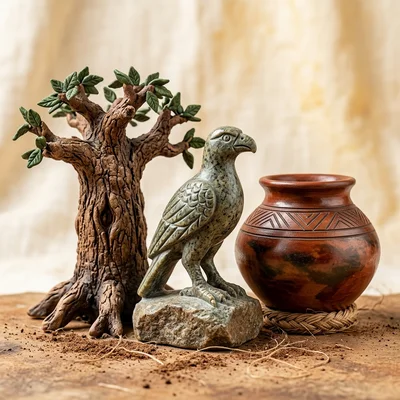
Munda neGoho · Traditional Shona Agriculture, Crops & Harvest
Traditional Farming & Harvest (Kurima neGoho)
Explore the indigenous crops and farming wisdom of the Shona people: drought-hardy millets (Zviyo, Mhunga), hearty legumes (Nyimo, Nzungu), forged hand hoes (Badza), and elevated granaries (Dura)!
🌾 12 Crops, Implements & Granaries
🌽 Indigenous Grains & Legumes
🛖 Raised Granaries & Tools
🔊 Spoken Audio on Tap

Zviyo / Rukweza
Finger Millet (Eleusine coracana)

🗣️ ZVEE-yoh / roo-KWEH-zah
🌱 Mwaka neMamiriro (Season & Growth): Zhizha (Planting in Nov–Dec; Harvest in April–May)
Zviyo chirimwa chechinyakare chine njere dzakakombama seruoko rweshiri. Chinomira kusanaya kwemvura uye chinoitisa sadza tsvuku rinovaka muviri, maheu, nedoro rechivanhu rinonzi ndari.
The crown jewel of traditional Shona grains. Highly nutritious, drought-resilient, and rich in calcium and iron, finger millet produces sacred brown sadza, sweet maheu, and traditional ceremonial beer.
🌟 Tsika neKukosha (Cultural Note):
In Shona tradition, finger millet is sacred and central to thanksgiving ceremonies (bira) and ancestral libations.
📖 Mazwi (Key Vocabulary — Tap to Hear):

Mhunga
Pearl Millet (Pennisetum glaucum)

🗣️ MHOO-ngah
🌱 Mwaka neMamiriro (Season & Growth): Zhizha (Dry savannah summer crop)
Mhunga chirimwa chinononoka kutsva nezuva rine hura dzakareba dzine tsanga duku dzinovaka muviri. Inorimwa zvakanyanya kumatunhu anopisa asina mvura zhinji.
An exceptionally hardy, drought-tolerant staple cereal with tall, dense cylindrical seed heads. Thrives in low-rainfall sandy soils across southern Zimbabwe and stores safely for years.
🌟 Tsika neKukosha (Cultural Note):
Mhunga was historically known as the insurance crop against famine (nzara yechirere) because it survives intense droughts.
📖 Mazwi (Key Vocabulary — Tap to Hear):

Nzimbe
Traditional Sugarcane

🗣️ NZEE-mbeh
🌱 Mwaka neMamiriro (Season & Growth): All year in moist river gardens (matoro)
Nzimbe chirimwa chinotapira chinorimwa mumatoro ane unyoro. Vanhu vanosvuura ganda vochitsenga muto unonaka unopa simba rekushanda mumunda.
Cultivated in lush wetland garden plots (matoro). Chewed raw by field workers for instant natural hydration, sweetness, and energy during intense farming labor.
🌟 Tsika neKukosha (Cultural Note):
Sharing sugarcane stalks with neighbors visiting your homestead is a quintessential gesture of rural Zimbabwean hospitality.
📖 Mazwi (Key Vocabulary — Tap to Hear):

Nyimo
Bambara Groundnuts / Roundnuts (Vigna subterranea)

🗣️ NYEE-moh
🌱 Mwaka neMamiriro (Season & Growth): Masutso (Harvested April–June)
Nyimo ndeimwe yembeu dzinokura pasi pevhu, dzine ruvara rwakasiyana-siyana rwakaita sebara kana tsvuku. Dzinofashaidzwa dzichidyiwa dzoga kana kusanganiswa nemangai kuita mutakura.
Indigenous African subterranean pulse celebrated for high protein and mineral content. Cooked fresh or dried and boiled into delicious mutakura with maize.
🌟 Tsika neKukosha (Cultural Note):
Because nyimo pods ripen underground, they withstand surface heat, hail, and locust swarms better than above-ground crops.
📖 Mazwi (Key Vocabulary — Tap to Hear):

Manhanga / Nhanga
Heirloom Pumpkins & Squashes

🗣️ mah-NHAH-ngah / NHAH-ngah
🌱 Mwaka neMamiriro (Season & Growth): Zhizha kusvika Masutso (January–June)
Manhanga anorimwa akasangana nechibage. Mashizha awo matsva ndiwo maboora anonaka nedovi, nhanga racho rinobikwa kudya kwemangwanani kana nhopi, nemhodzi dzinokangwa.
A versatile, multi-purpose crop interplanted with maize. The tender vine leaves yield maboora relish with peanut sauce, the flesh makes creamy nhopi porridge, and the seeds are roasted for mhodzi snacks.
🌟 Tsika neKukosha (Cultural Note):
Nothing on a pumpkin vine is wasted: leaves, blossoms (ruva), fruit, and seeds all nourish the homestead at different times of the season.
📖 Mazwi (Key Vocabulary — Tap to Hear):

Mbambaira
Traditional Sweet Potatoes (Ipomoea batatas)

🗣️ mbah-mbah-EE-rah
🌱 Mwaka neMamiriro (Season & Growth): Masutso (Harvested in May–July)
Mbambaira dzinorimwa pamikwende (mihombe) yevhu rakasimbiswa. Dzinofashaidzwa nemuto wemunyu kana kugocha pamazimbe echoto panguva yechando.
Grown in aerated mounded earthen ridges (mihombe). Boiled or roasted over glowing embers in winter mornings, sweet potatoes provide dense carbohydrate energy for manual farm work.
🌟 Tsika neKukosha (Cultural Note):
Mbambaira are traditionally paired with fresh milk or black tea for morning breakfast before families head out to plow or weed.
📖 Mazwi (Key Vocabulary — Tap to Hear):

Nzungu
Groundnuts / Peanuts (Arachis hypogaea)

🗣️ NZOO-ngoo
🌱 Mwaka neMamiriro (Season & Growth): Masutso (April–May harvest and sun drying)
Nzungu ndicho chirimwa chechivanhu chinoburitsa dovi rekukorera muriwo, nyama, nenhopi. Dzinoomeswa padara dzobandwa dzoiswa mudura.
The cornerstone of Shona culinary flavoring. Groundnuts are roasted, pounded, and ground on granite stones into dovi (organic peanut butter), which enriches greens, stews, and breakfast porridges.
🌟 Tsika neKukosha (Cultural Note):
In traditional Shona custom, groundnut fields (tseu) were predominantly managed by women, who controlled the grain reserves and cooking butter.
📖 Mazwi (Key Vocabulary — Tap to Hear):

Badza
Traditional Forged Iron Hand Hoe

🗣️ BAH-dzah
🌱 Mwaka neMamiriro (Season & Growth): Used year-round in fields
Badza chishandiso chesimbi yakapfurwa nenyanzvi dzechivanhu (mupfuri) inoiswa pamupinyi wemuti wakakombama. Rinoshandiswa kurima, kusakura masora, nekuhombera mbesa.
The premier agricultural tool of Shona civilization. Forged by skilled blacksmiths with an angled wooden elbow handle (mupinyi), it is used for tilling soil, weeding weeds (masora), and building crop ridges.
🌟 Tsika neKukosha (Cultural Note):
In Shona folklore and proverbs, the badza is celebrated as the weapon against poverty: "Chisi hachieri musi wemunda" and "Kusakura ndiko kudzura masora."
📖 Mazwi (Key Vocabulary — Tap to Hear):

Dura neHozi
Elevated Granary Storehouses

🗣️ DOO-rah neh-HOH-zee
🌱 Mwaka neMamiriro (Season & Growth): Harvest storage (Chando & Chirimo)
Dura chivakwa chematanda nedhaka chinovakwa chakasimudzwa pamusoro pematombo egranite kudzivirira makonzo neunyonhwe. Mukati mayo munochengeterwa zviyo, mhunga, nechibage kwemakore akawanda.
Masterpieces of indigenous engineering. Built of mud-and-pole or plastered woven timber elevated on smooth granite stones (mapfihwa) to block termites and ground moisture, topped with a thatched conical roof.
🌟 Tsika neKukosha (Cultural Note):
A well-stocked dura represents family security, discipline, and foresight. Elders measure homestead wealth by the fullness of its granary reserves.
📖 Mazwi (Key Vocabulary — Tap to Hear):

Rusero
Handwoven Winnowing Tray

🗣️ roo-SEH-roh
🌱 Mwaka neMamiriro (Season & Growth): Post-harvest processing
Rusero tswanda yakapambara yakarukwa netsanga dzenzizi. Rinoshandiswa kupepeta goho rezviyo, mhunga, nenzungu mhepo ichipeperetsa hundi nemarara.
A wide, shallow circular woven tray made of river reeds and ilala palm. Hand-flipped in the breeze to separate chaff and dust from clean grain kernels.
🌟 Tsika neKukosha (Cultural Note):
The art of winnowing (kupepeta) requires exquisite wrist rhythm and timing, passed down from grandmothers to daughters.
📖 Mazwi (Key Vocabulary — Tap to Hear):

Duri neMutswi
Hardwood Mortar & Pestle

🗣️ DOO-ree neh-MOO-tswee
🌱 Mwaka neMamiriro (Season & Growth): Year-round food processing
Duri rinovezwa kubva padanda remuti mukukutu, mutswi uri mutanda unorema unoshandiswa kudzura zviyo, kupwanya nzungu, nekupurisa mupunga.
Carved from dense indigenous hardwoods (such as mukwa or mutondo). Used with a heavy wooden pestle to dehull millets, pound roasted groundnuts into dovi, and pulverize dried tubers.
🌟 Tsika neKukosha (Cultural Note):
Pounding grain at the duri was traditionally accompanied by rhythmic work songs (nziyo dzekutsinhira) to lighten the physical labor.
📖 Mazwi (Key Vocabulary — Tap to Hear):

Guyo neHuyo
Granite Grinding Bedrock & Hand Stone

🗣️ GOO-yoh neh-HOO-yoh
🌱 Mwaka neMamiriro (Season & Growth): Year-round grain milling
Guyo idombo guru rakadzika rinogadzikiwa pasi, huyo riri dombo duku rinobatwa nemaoko maviri kukuya zviyo zvichiva ufu hwekubikisa sadza kana dovi.
A pair of matched granite stones: the large concave base slab (guyo) and the handheld elliptical rubbing stone (huyo). Used to manually mill grains into ultra-fine flour or crush roasted seeds into smooth butter.
🌟 Tsika neKukosha (Cultural Note):
In traditional homesteads, the sound of the guyo early in the morning signaled the awakening of the household and motherly care.
📖 Mazwi (Key Vocabulary — Tap to Hear):
🔍
Hapana chirimwa kana chombo chawanikwa
No agricultural items matched your search query.