







Musha neHari · Traditional Shona Architecture & Craft
Homestead & Utensils (Musha neMidziyo)
Step inside the traditional Shona homestead (Kumusha): explore the round kitchen hut (Imba yeKubikira), clay pottery (Tsambakodzi, Chirongo), mortar & pestle (Duri neMutswi), and woven baskets!
🛖 16 Homestead Spaces & Tools
🏺 Earthenware Pottery (Hari)
🧺 Woven Baskets & Mats
🔊 Spoken Audio on Tap

Imba yeKubikira
Traditional Round Kitchen Hut

🗣️ EEM-bah yeh-koo-bee-KEE-rah
🪵 Maumbirwo (Materials & Craft): Molded earth/brick walls, conical wooden pole frame, and combed thatch grass roof (denga rehuswa).
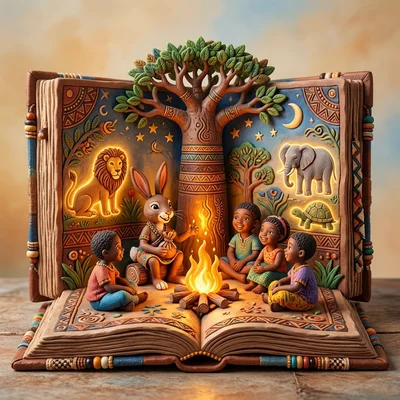
Imba yekubikira ndiyo mwoyo wemusha weChiShona. Yakavakwa yakatenderera ine choto pakati nehuva yekuisa hari kumadziro. Mhuri inoungana mairi manheru ichidya nekurondedzerana ngano.
The spiritual and social heart of the Shona homestead. Built in a harmonious circle with a central sunken hearth (choto), a raised clay display bench (huva), and low seating ledges (zvigaro zvedhaka).
🌟 Tsika neChiremera (Cultural Note):
In Shona culture, guests are welcomed first into the kitchen hut, where hospitality, warmth, and ancestral respect reside.
📖 Mazwi (Key Vocabulary — Tap to Hear):

Choto neMapfihwa
Central Hearth & Three Cooking Stones

🗣️ CHOH-toh neh-mah-PFEE-hwah
🪵 Maumbirwo (Materials & Craft): Sunken earthen firepit ringed with a polished clay rim and three balanced granite hearthstones (mapfihwa).
Choto chiri pakati peimba yekubikira. Pamusoro pacho pane matombo matatu anonzi mapfihwa anogadzikiwa hari kana poto pahuni dziri kubvira.
Positioned at the exact center of the kitchen hut, the sunken hearth holds three granite stones (mapfihwa) arranged in a triangle to balance round-bottomed clay pots over wood embers.
🌟 Tsika neChiremera (Cultural Note):
The three mapfihwa symbolize stability and family unity—just as a pot cannot stand on two stones, a household stands through mutual support.
📖 Mazwi (Key Vocabulary — Tap to Hear):

Huva /Chikuva
Raised Earthen Pottery Shelf & Altar

🗣️ HOO-vah / chee-KOO-vah
🪵 Maumbirwo (Materials & Craft): Hand-sculpted, burnished clay bench built against the rear wall opposite the doorway.
Huva chikuva chedhaka rakakwenenzverwa chinovakwa kumadziro emba yekubikira. Pamusoro payo panogadzikiwa hari dzakarongwa nemazvo, uye ndipo panoitirwa chiremera chemusha.
A raised, smoothly polished earthen platform opposite the kitchen door where a mother proudly displays stacks of decorated clay pots (hari), and where family prayers and thanksgiving are offered.
🌟 Tsika neChiremera (Cultural Note):
The huva is both a showcase of a woman's craftsmanship and the sacred domestic space of the household.
📖 Mazwi (Key Vocabulary — Tap to Hear):

Hozi neDura
Raised Granary Storehouse

🗣️ HOH-zee neh-DOO-rah
🪵 Maumbirwo (Materials & Craft): Built atop large granite boulders (matombo) to block dampness and termites, with mud-plastered compartments and thatch roof.
Hozi kana dura imba inovakwa pamusoro pematombo makuru kuti mwando nemajuru zvisapinde. Mukati mayo munochengeterwa chibage, zviyo, mhunga, nenzungu dzegore rose.
Elevated on granite boulders to keep grain dry and safe from termites and rodents, the granary stores the family's harvest of maize, finger millet (zviyo), sorghum, and groundnuts.
🌟 Tsika neChiremera (Cultural Note):
A well-stocked dura is the ultimate measure of food security and diligence in a Shona homestead.
📖 Mazwi (Key Vocabulary — Tap to Hear):

Dare
Homestead Men's & Community Council Place

🗣️ DAH-reh
🪵 Maumbirwo (Materials & Craft): Shaded seating circle under a large indigenous tree with carved wooden logs or stone seats around an evening fire.
Dare inzvimbo iri mumumvuri wemuti pamusha panoungana vakuru nevanakomana manheru vachipanana mazano, kuveza midziyo, nekugadzirisa nyaya dzemusha.
An open-air council circle under a shade tree where elders and youth gather to carve tools, share life skills, welcome male travelers, and resolve disputes peacefully.
🌟 Tsika neChiremera (Cultural Note):
At the dare, young boys learn craftsmanship, proverbs, conflict resolution, and respect for elders.
📖 Mazwi (Key Vocabulary — Tap to Hear):

Tsambakodzi / Shambakodzi
Clay Sadza Cooking Pot

🗣️ tsah-mbah-KOH-dzee
🪵 Maumbirwo (Materials & Craft): Hand-coiled and kiln-fired earthenware clay with a wide belly and open mouth.
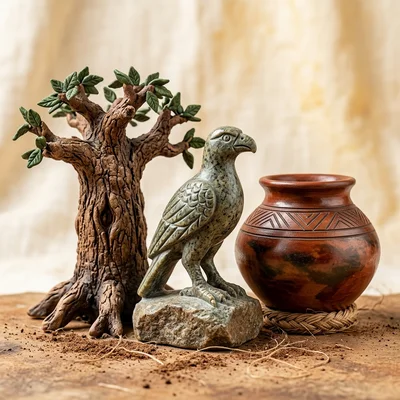
Tsambakodzi ihari huru ine muromo wakafara inoshandiswa kubika sadza pamoto. Inochengeta kupisa kwenguva refu zvekuti sadza racho rinoibva zvakanaka kwazvo.
A wide-mouthed, round-bellied earthenware pot designed specifically for simmering and vigorous stirring (kumona) of sadza over wood fire.
🌟 Tsika neChiremera (Cultural Note):
Sadza cooked in an earthen tsambakodzi carries a prized, earthy aroma that metal pots cannot replicate.
📖 Mazwi (Key Vocabulary — Tap to Hear):

Chirongo
Clay Water-Carrying & Cooling Pot

🗣️ chee-ROH-ngoh
🪵 Maumbirwo (Materials & Craft): Porous fired terracotta clay with a rounded body and narrower neck to prevent splashing.
Chirongo ihari inoshandiswa kuchera nekuchengeta mvura yekunwa kubva kutsime. Nekuda kwemavakirwo acho nevhu, mvura iri muchirongo inogara ichitonhorera kunyangwe zuva richipisa.
A spherical clay vessel balanced gracefully on the head (kutakura pamusoro) using a cloth coil (hata) to fetch spring water. Micro-evaporation through the clay walls keeps drinking water naturally cool.
🌟 Tsika neChiremera (Cultural Note):
A chirongo is never placed on the cooking fire so its pores remain clean and breathable for cooling water.
📖 Mazwi (Key Vocabulary — Tap to Hear):

Chikadyana / Hadyana
Clay Relish & Stew Pot

🗣️ chee-kah-DYAH-nah / hah-DYAH-nah
🪵 Maumbirwo (Materials & Craft): Small-to-medium seasoned earthenware pot with a flared rim.
Chikadyana kana hadyana ihari diki kupfuura tsambakodzi inoshandiswa kubika usavi hwemuriwo, nyama, madora, kana derere.
The companion pot to the tsambakodzi, sized specifically for slow-braising meat, leafy greens in peanut butter (muriwo unedovi), and traditional relishes (usavi).
🌟 Tsika neChiremera (Cultural Note):
Slow-simmering in a hadyana allows peanut butter sauces and stews to thicken without scorching.
📖 Mazwi (Key Vocabulary — Tap to Hear):

Mugoti neMusika
Wooden Cooking Stick & Porridge Whisk

🗣️ moo-GOH-tee neh-moo-SEE-kah
🪵 Maumbirwo (Materials & Craft): Hand-carved from smooth, non-splintering indigenous hardwood (such as Mutohwe or Muhacha).
Mugoti chimuti chakavezwa chinoshandiswa kumona nekupakura sadza. Musika une nyanga diki kumucheto unoshandiswa kusika bota kuti risaita mapundu.
Two indispensable carved wooden kitchen tools: the Musika (pronged whisk) spins between the palms to blend boiling meal into lump-free porridge, and the sturdy Mugoti folds thick sadza to perfection.
🌟 Tsika neChiremera (Cultural Note):
Carving a balanced mugoti and musika is a traditional gift of love for a newlywed kitchen.
📖 Mazwi (Key Vocabulary — Tap to Hear):

Duri neMutswi
Wooden Mortar & Pestle

🗣️ DOO-ree neh-MOO-tswee
🪵 Maumbirwo (Materials & Craft): Hollowed hardwood tree trunk (Duri) paired with a heavy double-ended hardwood pestle (Mutswi).
Duri igobvu remuti rakavezwa gomba pakati rinoshandiswa nemutswi kutswa chibage chemaputi, nzungu dzedovi, mupunga, kana zviyo.
A waist-high carved wooden mortar and heavy pestle used to hull samp (manhuchu), pound roasted peanuts into peanut butter, and crush grains.
🌟 Tsika neChiremera (Cultural Note):
Two women often pound alternately in the same duri in a rapid, musical rhythm without their pestles ever colliding—inspired the children's game "Dudu Muduri".
📖 Mazwi (Key Vocabulary — Tap to Hear):

Guyo neHuyo
Granite Grinding Stones

🗣️ GOO-yoh neh-HOO-yoh
🪵 Maumbirwo (Materials & Craft): Coarse-grained granite mother stone (Guyo) and oval handheld top stone (Huyo).
Guyo idombo guru rakati sandara uye huyo ikatombo kadiki kanobatwa nemaoko maviri pakukuya zviyo kuita upfu kana kukuya nzungu dzakakangwa kuita dovi.
The traditional stone mill: kneeling behind the broad lower stone (guyo), a person glides the smaller upper stone (huyo) forward and back to grind finger millet into fine flour or roasted peanuts into creamy dovi.
🌟 Tsika neChiremera (Cultural Note):
Sitting on a guyo is a strict Shona taboo (chiera) to preserve hygiene for family food preparation.
📖 Mazwi (Key Vocabulary — Tap to Hear):

Mukombe / Kikombe cheDende
Calabash Gourd Ladle & Drinking Cup

🗣️ moo-KOH-mbeh
🪵 Maumbirwo (Materials & Craft): Sun-cured bottle gourd (Lagenaria siceraria) with a natural curved neck handle.
Mukombe idende rakaomeswa rakachekwa kuita kapu ine mubato murefu. Unoshandiswa kuchera mvura muchirongo kana kunwisa maheu.
A lightweight, naturally insulated dipper and cup crafted from a dried long-necked gourd, used to scoop cool water from the chirongo or share maheu.
🌟 Tsika neChiremera (Cultural Note):
Sharing a mukombe of cool water with a traveler arriving at the homestead is the classic gesture of Shona hospitality.
📖 Mazwi (Key Vocabulary — Tap to Hear):

Ndiro yeMuti
Carved Wooden Serving Platter

🗣️ NDEE-roh yeh-MOO-tee
🪵 Maumbirwo (Materials & Craft): Seasoned indigenous hardwood carved with geometric rim patterns and treated with peanut oil.
Ndiro yemuti inovezwa kubva pahunde yemuti wakasimba, ichishongedzwa kumucheto. Inoshandiswa kupakurira sadza kana nyama pamabiko.
A hand-carved hardwood bowl or platter, often adorned with chevron engravings along the rim, used for serving sadza, roasted meat, or rupiza.
🌟 Tsika neChiremera (Cultural Note):
Traditional wooden plates often featuretotemic or chevron motifs echoing the stonework of Great Zimbabwe.
📖 Mazwi (Key Vocabulary — Tap to Hear):

Rusero
Flat Woven Winnowing Basket

🗣️ roo-SEH-roh
🪵 Maumbirwo (Materials & Craft): Tightly woven split river-reed (tsanga) or bamboo strips bound to a sturdy wooden hoop rim.
Rusero idengu rakati sandara rinoshandiswa kupepeta nekusarudza mbesa dzakadai sezviyo, chibage, nenzungu kubvisa hundi nemarara nemhepo.
A wide, shallow circular tray basket used with a rhythmic tossing-and-tilting motion (kupepeta) so the breeze blows away chaff while clean grain settles in the basket.
🌟 Tsika neChiremera (Cultural Note):
Also used to sun-dry leafy vegetables (mufushwa), mopane worms (madora), and pumpkin seeds on the homestead rock.
📖 Mazwi (Key Vocabulary — Tap to Hear):

Tswanda / Dengu
Deep Woven Harvest & Storage Basket

🗣️ TSWAH-ndah / DEH-ngoo
🪵 Maumbirwo (Materials & Craft): Coiled grass bundles stitched with palm leaf (murara) or baobab bark fibre (gavi).
Tswanda idengu rakadzika rinorukwa neuswa nemakavi. Rinoshandiswa kutakurira mbesa kubva mumunda nekuchengetera maputi, nzungu, kana michero.
A deep, sturdy bowl-shaped basket woven in intricate geometric patterns from ilala palm (murara) or reed, used for harvesting crops and serving dry foods.
🌟 Tsika neChiremera (Cultural Note):
A smaller tswanda handles daily household serving, while a large Dengu carries heavy maize cobs from the fields at harvest time (Masutso).
📖 Mazwi (Key Vocabulary — Tap to Hear):

Rupasa / Bononde
Woven Reed Sleeping & Seating Mat

🗣️ roo-PAH-sah / boh-NOH-ndeh
🪵 Maumbirwo (Materials & Craft): Sun-dried river rushes/reeds (nhokwe) stitched edge-to-edge with hand-spun baobab bark twine (rwodzi).
Rupasa imeti yakarukwa nenhokwe dzemurwizi inowaridzwa pasi mumba pakuvaraidza vaenzi, pakugarira dare, kana pakurara.
A cool, breathable floor mat woven from river sedge reeds (nhokwe) and rolled out instantly across the earthen floor whenever visitors arrive.
🌟 Tsika neChiremera (Cultural Note):
Unrolling a clean rupasa for a guest is the immediate nonverbal sign of respect and welcome in any Shona home.
📖 Mazwi (Key Vocabulary — Tap to Hear):
🔍
Hapana mudziyo wawanikwa
No homestead items matched your search query.