





Musha weChiShona · Traditional Homestead Architecture & Sacred Spaces
The Shona Homestead (Musha neDzimba)
Step inside a traditional Shona rural homestead (musha): explore the round thatched kitchen (Imba yeKubikira), the raised earthen pot shelf (Chikuva), the village council court (Dare), and the elevated granary (Hozi neDura)!
🛖 8 Homestead Spaces & Structures
🔥 Choto & Chikuva
🌾 Granaries & Council Court
🔊 Spoken Audio on Tap

Imba yeKubikira (Bikiro)
The Round Thatched Kitchen Hut

🗣️ EE-mbah yeh-koo-bee-KEE-rah
🏠 Basa paMusha (Homestead Role): The Warm Heart of the Homestead
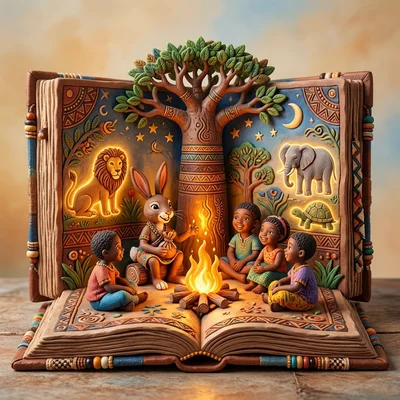
Imba yedenderedzwa yakavakwa nemapango kana zvidhinha uye yakapfurirwa neuswa hwechirimo. Ndiyo mwoyo wemusha unosangana mhuri yose manheru pachoto ichidya sadza nekuteerera ngano.
A circular dwelling crowned with a conical combed-thatch roof (denga reuswa). It serves as the social, culinary, and spiritual heart of the Shona family where meals are cooked and evening folktales are shared.
🌟 Tsika neChiremera (Cultural Significance):
The circular wall has no sharp corners, symbolizing inclusivity and unity—everyone gathered inside can see one another face to face around the fire.
📖 Mazwi (Key Vocabulary — Tap to Hear):

Chikuva neChoto
The Earthen Pot Shelf & Central Hearth

🗣️ chee-KOO-vah neh-CHOH-toh
🏠 Basa paMusha (Homestead Role): Sacred Interior Axis of the Kitchen
Pakati peimba yekubikira pane choto chine mapfihwa matatu panobikirwa sadza, uye kumadziro kune chikuva chakakwirira chakazorwa nedhaka panogarira hari dzemvura nechirongo.
At the exact centre of the kitchen floor sits the sunken hearth (choto) with its three cooking stones (mapfihwa), while opposite the doorway rises the polished earthen display bench (chikuva) holding prized clay pots.
🌟 Tsika neChiremera (Cultural Significance):
Inside the kitchen hut, seating follows respectful custom: women and children sit on the smooth earthen bench or reed mats on the chikuva side, while men sit on the raised seating ledge (chigaro/gararwasha) to the right.
📖 Mazwi (Key Vocabulary — Tap to Hear):

Dare reMusha
The Open-Air Family Council & Gathering Place

🗣️ DAH-reh reh-MOO-shah
🏠 Basa paMusha (Homestead Role): Seat of Wisdom, Dialogue & Mentorship
Nzvimbo yakachena iri pasi pemuti wemumvuri pachivanze ine matanda ekugara nemoto. Pano ndipo panogara vakuru nevanakomana vachipanana mazano, kuveza mipinyi, nekugadzirisa nyaya dzemusha.
A shaded outdoor gathering circle furnished with carved wooden logs or stone seats around an evening fire. Here elders mentor youth in life skills, carve tool handles, welcome guests, and resolve disputes peacefully.
🌟 Tsika neChiremera (Cultural Significance):
At the dare, young people learn the art of patient listening, proverb-rich speech, craftsmanship, and conflict resolution before speaking.
📖 Mazwi (Key Vocabulary — Tap to Hear):

Hozi neDura
The Elevated Granary & Harvest Store

🗣️ HOH-zee neh-DOO-rah
🏠 Basa paMusha (Homestead Role): Food Security & Agricultural Abundance
Imba yakavakirwa pamusoro pematombo nezikwauro zvemiti mizhinji kuitira kuti chibage, zviyo, mhunga, nenzungu zvigare zvakaoma pasina unyoro kana makonzo.
A sturdy storehouse raised high on granite boulders and hardwood beams so cool air circulates underneath, protecting the year's harvest of maize, finger millet, and groundnuts from dampness and pests.
🌟 Tsika neChiremera (Cultural Significance):
A full granary (dura rakazara) is the ultimate symbol of diligence and hospitality, ensuring the family can feed both relatives and passing travellers throughout the dry season.
📖 Mazwi (Key Vocabulary — Tap to Hear):

Nhanga neGota
The Youth Dormitories (Girls' Nhanga & Boys' Gota)

🗣️ NHAH-ngah neh-GOH-tah
🏠 Basa paMusha (Homestead Role): Character Education & Coming of Age
Dzimba dzinorara vanasikana (Nhanga) nevanakomana (Gota) vakura. Munhanga, vanasikana vanodzidziswa tsika naTete naMbuya; mugota, vanakomana vanorairwa naSekuru.
Dedicated sleeping huts for older daughters (Nhanga) and sons (Gota). In the Nhanga, aunts (Tete) and grandmothers impart life wisdom to girls, while grandfathers (Sekuru) guide boys in the Gota.
🌟 Tsika neChiremera (Cultural Significance):
This architectural separation fostered strong peer responsibility, modesty, and mentorship by extended family elders (Tete and Sekuru).
📖 Mazwi (Key Vocabulary — Tap to Hear):

Chivanze (Ruvanze)
The Swept Homestead Courtyard

🗣️ chee-VAH-nzeh / roo-VAH-nzeh
🏠 Basa paMusha (Homestead Role): Stage of Daily Life, Play & Drying Grain
Nzvimbo yakakura pakati pedzimba inotsvairwa nemutsvairo mangwanani ose kusvikira yachena. Pachivanze panotambirwa nhodo nevana, kuomeswa mufushwa, nekutambirwa vaenzi.
The wide, swept earthen courtyard connecting all the huts of the musha. Swept clean every dawn with a grass broom (mutsvairo), it hosts children's games, grain drying, and joyful song and dance.
🌟 Tsika neChiremera (Cultural Significance):
A neatly swept courtyard (chivanze chakatsvairwa) is the first sign of a proud, welcoming, and industrious household.
📖 Mazwi (Key Vocabulary — Tap to Hear):

Danga reMombe neZvikwere
The Cattle Kraal & Poultry Coops

🗣️ DAH-ngah reh-MOH-mbeh
🏠 Basa paMusha (Homestead Role): Pastoral Wealth, Draught Power & Kinship
Chivakwa chakakomberedzwa nemapango akasimba panovharirwa mombe nemhuru usiku, pamwe nezvikwere zvehuku nedanga rembudzi. Mupfudze unobva mudanga unopfundisa munda.
A circular timber stockade built downwind from the living huts to shelter cattle and goats overnight, alongside raised woven coops (zvikwere) that keep chickens safe from predators.
🌟 Tsika neChiremera (Cultural Significance):
In Shona culture, the cattle kraal represents family stability, agricultural draught power, organic soil fertility (mupfudze), and marriage kinship ties (roora).
📖 Mazwi (Key Vocabulary — Tap to Hear):

Nzvimbo yeDuri neHuyo
The Mortar Pounding & Grinding Terrace

🗣️ DOO-ree neh-HOO-yoh
🏠 Basa paMusha (Homestead Role): Rhythmic Grain Preparation & Work Songs
Pedyo nehozi neimba yekubikira pane nzvimbo yakatsindirwa panomiswa duri nemutswi wekutswa zviyo nekugadzira dovi paguyo nehuyo.
A shaded work terrace near the kitchen and granary where grain is pounded in the wooden mortar (duri) with a pestle (mutswi) and roasted groundnuts are stone-ground into smooth peanut butter (dovi) on the guyo.
🌟 Tsika neChiremera (Cultural Significance):
Two women often pound grain in alternating rhythm ("dudu muduri") in the same mortar while singing call-and-response work songs.
📖 Mazwi (Key Vocabulary — Tap to Hear):
🔍
Hapana chivakwa chemusha chawanikwa
No homestead structures matched your search query.