

Shona Folktales & Stories
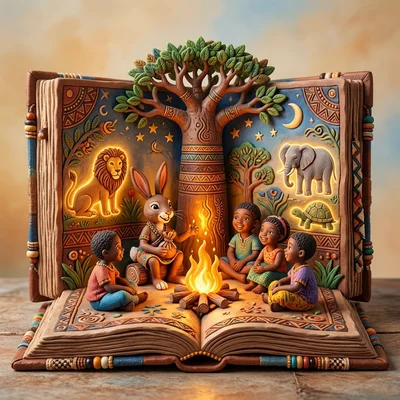
Step into the warmth of the storytelling circle (dare). Experience timeless Zimbabwean folktales (ngano), tales from across Africa, alongside beloved world classic fables and fairy tales adapted into natural ChiShona — bilingual with English, interactive read-along speech, cultural morals (zvidzidzo), and key vocabulary.

Tsuro naGudo
(The Hare and the Baboon)ChiShona: Ngano inotaridza kushinga nekungwara kwaTsuro paakadzidzisa Gudo raiva nemakaro chidzidzo chikuru.
English: The classic folktale showing how clever Tsuro the Hare taught greedy Gudo the Baboon a lesson he would never forget.

Kamba naTsuro
(The Tortoise and the Hare)ChiShona: Tsuro anozvikudza nekumhanya, asi Kamba anomudzidzisa kuti kutsungirira kunokunda kuzvitutumadza.
English: Boastful Tsuro challenges quiet Kamba to a race, learning that steady perseverance triumphs over arrogant speed.

Tsuro naShumba
(The Clever Hare and the Lion)ChiShona: Shumba anorambidza dzimwe mhuka kunwa mvura, asi Tsuro anoshandisa tsime nekungwara kwake kuponesa sango.
English: Fierce Shumba hoards the community well, until quick-witted Tsuro tricks him using nothing more than his own reflection.

Mbudzi, Hwai neMbongoro
(The Goat, Sheep, and Donkey)ChiShona: Ngano inonakidza inotsanangura chikonzero nei mbudzi ichitiza motokari, hwai ichimira mugwagwa, nembongoro isina hanya.
English: A hilarious folktale explaining why the goat always runs from cars, the sheep waits for her change, and the donkey walks calmly.

Vana veNguruve Vatatu
(The Three Little Pigs)ChiShona: Vana venguruve vatatu vanovaka dzimba dzakasiyana - yeuswa, yezvimiti, neyezvidhinha. Mhumhi inouya ichida kudzivhuvhuta pasi!
English: Three little pigs build houses of straw, sticks, and solid bricks. A hungry wolf comes huffing and puffing!

Mukomana weHwai neMhumhi
(The Boy Who Cried Wolf)ChiShona: Mukomana anofudza hwai anotsvaka kusetsa nekureva nhema kuti kune mhumhi. Zvino mhumhi chaiyo painosvika, hapana anomutenda.
English: A young shepherd boy pranks the villagers by shouting "Wolf!". When a real wolf strikes, no one believes his cries.

Kapundu Katsvuku
(Little Red Riding Hood)ChiShona: Kasikana kanotumwa kwambuya vanorwara musango, ndokusangana nemhumhi ine mano akaipa munzira.
English: A sweet girl in a red cloak travels through the woodland to bring bread to her sick grandmother, meeting a cunning wolf.

Shumba neMbeva
(The Lion and the Mouse)ChiShona: Mbeva diki inokumbira shumba ine simba kuti irege kuidya, ichiti rimwe zuva ichazomubatsirawo. Chokwadi chinobuda pachena!
English: A tiny mouse begs a mighty lion for mercy, promising to help him in return. Soon, the small mouse proves to be a true savior!

Tsuro, Nzou neMvuu
(The Hare, the Elephant and the Hippo)ChiShona: Tsuro mudiki anoratidza mhuka huru kuti kungwara kunokunda simba, paanoita kuti Nzou naMvuu vakwikwidzane kudhonza tambo vasingazivi.
English: Little Tsuro proves that brains beat brawn when he tricks mighty Nzou the Elephant and Mvuu the Hippo into a tug-of-war against each other.

Kamba naGudo
(The Tortoise and the Baboon)ChiShona: Gudo rinonyengera Kamba pamabiko, asi Kamba anomudzorera nemano akachenjera.
English: Gudo the Baboon plays an unkind trick on Kamba the Tortoise at a feast, but patient Kamba has a clever trick of his own.

Anansi neHari yeUchenjeri
(Anansi and the Pot of Wisdom)ChiShona: Ngano yekuGhana: Anansi dandemutande anoedza kuviga uchenjeri hwose hwepasi, asi mwanakomana wake mudiki anomudzidzisa chimwe chinhu.
English: A folktale from Ghana: Anansi the spider tries to hide all the wisdom in the world for himself, until his little son teaches him something new.

Ndebvu dzeShumba
(The Lion's Whisker)ChiShona: Ngano yekuEthiopia: mukadzi ane mutsa anodzidza kuti moyo murefu unokunda moyo wemwana, kungofanana nekuvimbwa neshumba.
English: A folktale from Ethiopia: a kind woman learns that patience can win a child's heart, just as it can win the trust of a lion.

Tsuro paTsime reMhuka
(The Hare at the Animals' Well)ChiShona: Pakaitika nzara nezuva musango, Mambo Shumba akakoka mhuka dzose kuti dzichere tsime. Nyope Tsuro akaramba achiti maoko ake anokuvadzwa, asi akaedza kunwa mvura nemano.
English: When drought struck the savanna, King Lion called all beasts to dig a community well. Lazy Tsuro refused to help, then tried to steal the water using sweet honey.

Tsono yaGondo neHuku
(The Eagle's Needle and the Hen)ChiShona: Kare kare Huku yakakwereta tsono yaGondo kuti isonere vana mapapiro, asi yakairasira mumadhaka. Nanhasi Huku inongokwenya pasi ichitsvaga tsono.
English: Long ago, Hen borrowed Eagle's needle to sew wings for her chicks, but dropped it in the dirt. To this day, Hen scratches the ground searching for it.

Bere naTsuro: Mutoro weNyama
(Tsuro and Bere's Hunt)ChiShona: Tsuro naBere vakawana mutoro wenyama nemichero musango. Bere raida kutora zvose richinyima Tsuro, asi Tsuro akamurakidza kuti makaro haana zvakanaka.
English: Tsuro and Bere found a great load of food in the wild. Greedy Bere tried to cheat Tsuro out of it, but clever Tsuro taught him a memorable lesson.

Nei Zizi Rinobhururuka Usiku Chete?
(Why the Owl Only Flies at Night)ChiShona: Zizi raizvikudza richiti rine nyanga dzamambo uye hapana charinotya musango, kusvikira kashiri kadiki karakidza kuti zizi imbwende.
English: Owl used to boast that his feathery tufts were royal horns and that he feared nothing, until a small encounter exposed his cowardice.

Kamba neMapapiro: Mabiko oMudenga
(The Tortoise and the Feast in the Sky)ChiShona: Kamba akakwereta minhenga kushiri dzose kuti aende kumabiko ari mudenga. Akanyengera achiti anonzi "Mose Zvenyu" akadyira shiri zvokudya, kusvikira aita dambudziko rokuwira pasi.
English: Tortoise borrowed feathers from all the birds to attend a cloud banquet. He tricked them by claiming his name was "All of You", but his greed led to a great fall.

Chura naGudo: Mabiko eMutsoka
(The Frog and the Baboon's Feast)ChiShona: Chura akakoka Gudo kumabiko mhiri kwerwizi rwune madhaka, Gudo akatadza kudya nekusviba kwemaoko. Mushure mezvo Gudo akakoka Chura pamusoro pemuti murefu.
English: Frog invited Baboon to a feast across a muddy river, but refused to let him eat with dirty paws. Later, Baboon returned the favor high in a baobab tree.

Mhembwe neMbeva: Mujaho weMutsoka
(The Duiker and the Mouse's Race)ChiShona: Mhembwe yaizvikudza nekumhanya kwayo ikashora Mbeva. Mbeva yakashandisa zano rekuhwanda nehama dzayo pamakomo ose kusvikira Mhembwe yaneta yakundwa.
English: Boastful Duiker bragged about his swift legs and challenged tiny Mouse to a race. Mouse outsmarted him using teamwork with his lookalike cousins.

Tsuro, Murimi neNyoka
(Tsuro and the Ungrateful Snake)ChiShona: Murimi akabatsira Nyoka yakanga yakadzvanyirirwa nedombo guru, asi yakamonyoroka ichida kumuruma. Tsuro akauya nemano akaituma kupinda patsva pasi pedombo.
English: A kind farmer rolled a heavy boulder off a trapped snake, only for the ungrateful serpent to threaten to bite him. Clever Tsuro used smart mediation to restore justice.

Gudo neMukoko weUchi
(Baboon and the Beehive of Greed)ChiShona: Tsuro naGudo vakawana uchi musango. Tsuro akatora zvishoma achisiya nyuchi dzakadzikama, asi Gudo akada kupamba mukoko wose akarohwa nenyuchi.
English: Tsuro and Gudo discovered wild honey in the forest. Tsuro harvested modestly with calm smoke, while greedy Gudo tried to seize the whole hive and was chased by angry bees.

Kamba neDziva reMvura
(Tortoise and the Sacred Water Pool)ChiShona: Gore rechirimo mvura yakapera musango. Mhuka dzose dzakachera tsime pamwe chete, asi Bere aiba mvura usiku kusvikira Kamba amubata neuchenjeri.
English: During a dry season, all the animals dug a communal well together, except lazy Hyena who stole water at night until patient Tortoise caught him.

Huku neRukodzi: Tsono Yakarashika
(Why the Hen Scratches the Ground)ChiShona: Ngano yechinyakare inotsanangura chikonzero nei Huku ichigara ichiparura ivhu netsoka dzayo ichitsvaga tsono yebanga yakakweretwa kuna Rukodzi.
English: A classic origin folktale explaining why hens endlessly scratch the earth searching for the magic sewing needle borrowed long ago from Hawk.

Mbudzi Nhatu paZambuko
(The Three Goats at the River Crossing)ChiShona: Mbudzi nhatu dzaida kuyambuka zambuko kuti dzinofura huswa hwenyoro mhiri kwerwizi, dzikakunda Bere aivhundutsira vafambi.
English: Three clever goats needed to cross a narrow wooden bridge to reach green hillside pastures, working together to outwit a bullying hyena.

Nyuchi neShiri yeTsoro
(The Honeybee and the Honeyguide Bird)ChiShona: Ngano inotsanangura kuti sei Shiri yeTsoro (Shezhu) ichitungamirira vavhimi nevanhu pane mukoko weuchi musango mushure mekutadzirana naNyuchi.
English: A traditional origin tale explaining why the Greater Honeyguide bird (Tsoro/Shezhu) chatters and guides humans to wild beehives in the woodland.

Tsuro neDende Rinoimba
(Tsuro and the Singing Calabash)ChiShona: Tsuro akagadzira hosho nedende rine mhodzi dzeChimoto akaridza musango, mhuka dzikashamisika nekunaka kwemimhanzi kusvikira Gudo aedza kuribira.
English: Tsuro crafted a resonant calabash gourd shaker that enchanted the whole forest with rhythm, teaching envious Gudo that true music comes from patience and skill.

Zongororo neMakumbo Zana
(Millipede and the Hundred Dancing Shoes)ChiShona: Zongororo aifamba zvinyoro-nyoro achironga makumbo ake mazhinji pamabiko esango, achidzidzisa mhuka kuti kufamba zvakanaka kunokunda kumhanyirira.
English: Gentle Millipede prepared his hundred tiny legs for the great forest festival, showing the impatient animals that steady harmony carries you through every storm.

Hungwe paDare reShiri
(The Fish Eagle and the Council of Birds)ChiShona: Shiri dzesango dzakaungana paDzimbahwe kusarudza mambo wadzo. Hungwe akasarudzwa kwete nekuda kwesimba chete, asi nekuda kwekugovera hove nerunyararo.
English: All the birds of the sky gathered atop the stone walls of Great Zimbabwe to choose their leader, crowning the Fish Eagle (Hungwe) for his fairness and vision.

Nzou naMbeva paTsime
(The Elephant and the Little Mouse at the Well)ChiShona: Munguva yechirimo mvura yakapwa musango, Nzou akashandisa simba rake roga kuchera tsime akaneta, asi Mbeva mudiki akamuratidza panzvimbo yaiva nemvura inotonhora pasi pemidzi yemuonde.
English: During a parched dry season when all streams dried up, mighty Elephant exhausted himself digging in hard rock until tiny Mouse showed him where cool water lay hidden beneath the fig tree roots.

Dendera Shiri yeMvura
(The Ground Hornbill and the Rain Song)ChiShona: Apo munda wakaoma nemhepo yechirimo, Dendera akaunganidza shiri dzesango kuimba rwiyo runodzikama pamwe chete kusvikira makore emvura aungana mudenga.
English: When the fields grew parched before the planting season, the patient Ground Hornbill united the birds in a deep, harmonious chorus that welcomed the first summer rains.

Rwaivhi naZongororo muRwendo
(The Chameleon and the Millipede's Journey)ChiShona: Rwaivhi naZongororo vakafamba rwendo rurefu kuenda kumabiko emuchero wemuzhanje. Dzidza kuti kutsungirira nekufamba zvakachenjera kunokunda kukurumidza kusina kurongeka.
English: Chameleon and Millipede set out together for the great woodland wild-loquat feast, showing all the forest creatures that steady mindfulness and mutual encouragement reach the summit safely.

Njiva neNyuchi paMuonde
(The Dove and the Honeybee at the Fig Tree)ChiShona: Njiva chena yakadonhedza shizha mumvura kuponesa Nyuchi yainge yawa murwizi. Rimwe zuva, Nyuchi yakadzora mutsa uya nekuponesa Njiva kubva kumuvhimi.
English: A gentle white dove drops a floating fig leaf into a rushing stream to rescue a tiny honeybee—and soon discovers that even the smallest friend can return a life-saving kindness.
Nei Ngwena Iine Ganda Rakakora
(Why the Crocodile Has Bumpy Skin)ChiShona: Kare kare Ngwena yaiva neganda rakatsetseka sechiringiro, asi kuzvikudza kwakaita kuti ipiswe nezuva.
English: Long ago, Crocodile had smooth, golden skin—until pride made him forget the kindness of the other river animals.

Nei Twiza Iine Mutsipa Murefu
(Why the Giraffe Has a Long Neck)ChiShona: Twiza yekare yaiva nemutsipa mupfupi, asi rudo rwayo rwekubatsira mhuka diki rwakaiita kuti irebe.
English: How gentle Giraffe stretched high into the treetops so the smaller savanna animals could have the grass below.
Nei Jongwe Rinoimba Mangwanani
(Why the Rooster Crows at Dawn)ChiShona: Jongwe rakapiwa basa guru naMambo weShiri rekumutsa zuva nemusha wose mambakwedza.
English: How faithful Rooster earned his bright red crown by waking the village and welcoming the morning sun.
Kamba naNzou: Simba reUchenjeri
(The Tortoise and the Elephant)ChiShona: Kamba diki inoratidza Nzou huru kuti pfungwa dzakangwara dzinokunda simba remuviri.
English: Tiny Tortoise shows mighty Elephant that calm wisdom and respect are just as mighty as great size.
Hapana ngano dzawanikwa
No stories match your search query. Try typing another character or keyword.
Chii chinonzi Ngano? (The Art of Storytelling)
In traditional Shona society, evenings around the fireside (padare kana pachoto) were a sacred classroom. Grandmothers (Madzimbuya) and elders (Vakuru) took on the role of Sarungano (the master storyteller). Every story taught children the difference between righteousness and greed, respect for nature and elders, and the power of quick wit over brute physical power.
Here, we honor both authentic indigenous Zimbabwean folktales (Ngano dzeChiShona) and global fairy tales adapted into ChiShona (Ngano dzePasirose) — bridging cultures and expanding vocabulary through joyful storytelling.